Memopezil Official Website › Blog › Theanine and Rhodiola
L-Theanine and Rhodiola: The Two Ingredients You May Actually Notice
Bacopa takes three months. Theanine and rhodiola are the parts of this formula with a shorter timeline — and the dose of both is printed on the label, which lets you check them against the research yourself.
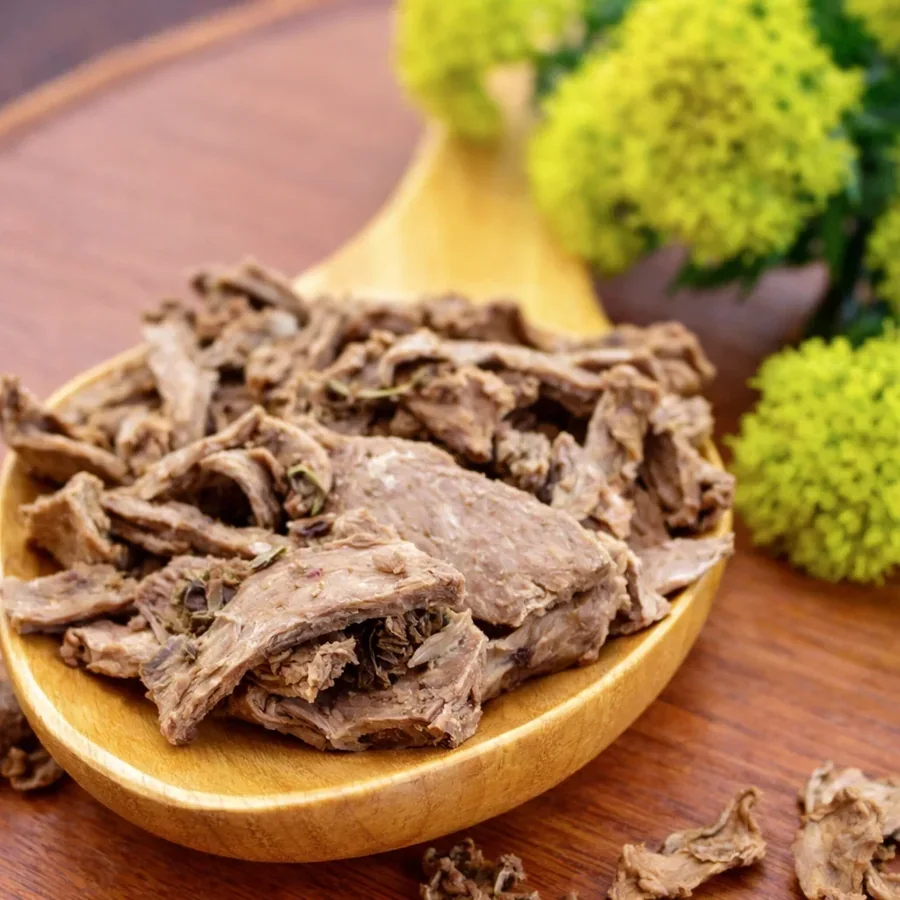
- L-theanine, 100 mg: studied for calm attention and stress, with dose-response work behind it. Onset is hours, not weeks.
- Rhodiola, 100 mg: studied mostly for physical and mental fatigue, with a systematic review that is honest about the quality of the evidence.
- Both amounts are published, which is more than most of this category offers.
- Neither is a memory drug. Feeling calmer and less tired is not the same as remembering more, and we are not going to conflate them.
This is general information, not medical advice. Memopezil is a dietary supplement. It is not a medicine, it is not donepezil, and it is not a treatment for Alzheimer’s disease, dementia or mild cognitive impairment. New or worsening memory problems are a reason to see a doctor. Never stop or change a prescription because of a supplement.
L-theanine: calm without sedation
L-theanine is an amino acid found in tea leaves, and it is the reason a cup of green tea feels different from a cup of coffee at the same caffeine level.
A 2022 dose-response crossover study examined different amounts of L-theanine and their effects, which is unusually useful — most supplement research tests one dose and stops. A 2019 randomized controlled trial looked at L-theanine administration and stress-related measures.
Memopezil's 100 mg sits in the range these studies work within. Onset is measured in hours rather than weeks, which makes theanine the one ingredient here you might notice in the first few days — as steadiness rather than stimulation.
Rhodiola: fatigue, with caveats
A 2012 systematic review examined Rhodiola rosea for physical and mental fatigue. It is worth reading for its candour: the reviewers found some positive trials and were clear about methodological limitations across the literature. NCCIH's rhodiola page carries the consumer summary and the cautions.
Note what the research is about. Fatigue is not memory. A less tired person may well perform better on a cognitive task, but that is an indirect route and we are not going to present it as a direct one.
Side by side
| L-Theanine | Rhodiola Rosea | |
|---|---|---|
| In Memopezil | 100 mg | 100 mg |
| Studied for | Calm attention, stress | Physical and mental fatigue |
| Onset | Hours | Days to weeks |
| Evidence quality | Dose-response work available | Mixed; reviewers note limitations |
| Direct memory evidence | No | No |
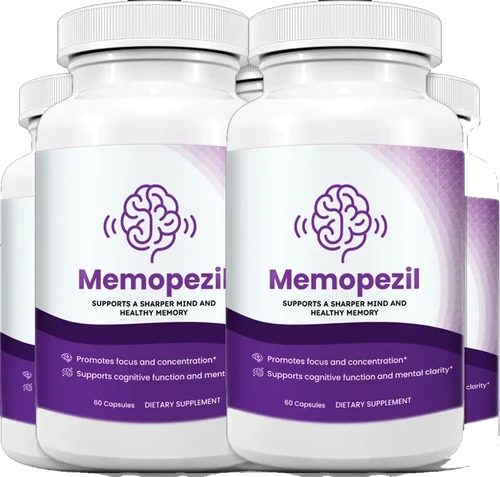
Five actives, five published doses.
You can check every number on this label against the research yourself. That is rarer than it should be — and it is the reason to buy from the official website.
$294 — six bottles at $49 each
Order On The Official WebsiteFree US shipping · five digital bonuses · 60-day money-back guarantee
The third botanical: Panax ginseng at 90 mg
Ginseng sits alongside the other two and gets less attention than either, which is unfair to its evidence and convenient for nobody.
A 2024 systematic review and meta-analysis examined ginseng and cognitive function, and a 2019 systematic review looked at the physiological and psychological effects of ginseng preparations more broadly. NCCIH's Asian ginseng page is the consumer summary and carries the cautions, which matter here: ginseng can interact with anticoagulants and with diabetes medication, and it is one of the ingredients worth naming specifically to a pharmacist.
As with everything on this panel, the useful question is the dose. 90 mg is a published, checkable amount — and it sits below what several of the trials used. We would rather print that comparison than let the presence of a famous name do the persuading, and it is set out ingredient by ingredient on the ingredients page.
And the largest number on the label: BCAAs at 540 mg
Branched-chain amino acids are the biggest single figure on this panel, which makes their inclusion the one most likely to be misread as the most important.
BCAAs are studied mainly in the context of exercise and muscle protein synthesis, and the NIH Office of Dietary Supplements is the neutral reference for what is and is not established. The cognitive rationale is indirect, and 540 mg is a small amount against the several grams typical of the exercise literature.
Read the biggest number on a panel the way you would read the first name in a blend: as information about proportion, not about importance. On this label the ingredient with the most cognitive evidence behind it is bacopa, at 200 mg — covered in its own post.
What “adaptogen” actually means
Rhodiola is almost always introduced as an adaptogen, and the word does a lot of work in supplement marketing while meaning very little to most readers.
It originated in mid-twentieth-century Soviet research and describes a proposed class of plants said to help the body resist stressors of various kinds without pushing any one system in a particular direction. It is a framework, not a regulatory category and not a mechanism: no test tells you whether a plant is an adaptogen.
That is worth knowing for two reasons. First, calling something an adaptogen is a claim about a tradition of research rather than a demonstrated effect. Second, the vagueness is the appeal — a term that resists definition also resists being proved wrong.
How to read the word when you meet it
- Ask what was measured. Rhodiola’s better evidence is about fatigue, which is a specific and measurable outcome.
- Ask at what dose. The 2012 systematic review covers trials that stated theirs.
- Ask about study quality. That same review is candid about methodological limitations across the literature, which is more useful than a confident summary would be.
- Then ignore the word. Nothing in the three answers above depends on it.
Why the two are paired
They pull in complementary directions. Rhodiola is an adaptogen associated with reduced fatigue; theanine is associated with calm focus. Together the intended effect is alert without being wired — which is also, not coincidentally, what people say they want from a cognitive supplement.
The third botanical on the panel, Panax ginseng at 90 mg, sits alongside them for related reasons; NCCIH's Asian ginseng page is the neutral summary, and our own write-up is on the ingredients page.
What to expect, and when
- First days: if anything, a steadier quality of attention from the theanine. Subtle.
- Weeks 2–4: where rhodiola's fatigue research would place a change, if there is one for you.
- Week 12: where bacopa's timeline lands. The real test of this formula.
- Any point: if nothing is happening, say so and use the guarantee. We would rather refund you than have you keep reordering in hope.
Several reviewers on our reviews page report no change at all, and those reviews stay published for exactly this reason.
Theanine, caffeine and the pairing you may already be doing
L-theanine is best known in combination with caffeine, and it is worth addressing because many readers will be taking both without having planned it.
The combination is the reason tea feels different from coffee: caffeine raises alertness, theanine takes the edge off it. If you drink tea, you already consume both together, in a ratio nobody designed.
Memopezil contains no caffeine. So if you take it with your morning coffee, you are creating that pairing yourself — which is neither dangerous nor a problem, but is worth knowing when you come to judge what the capsules are doing. Some practical points:
- Theanine does not cancel caffeine. It does not reduce the caffeine in your system or shorten how long it lasts.
- It will not fix a sleep problem caused by late caffeine. The fix for that is earlier caffeine.
- Attribute carefully. If you start this product and your coffee habit changes in the same week, you have run two experiments at once and can conclude nothing from either.
- Count your total caffeine anyway. It comes from coffee, tea, cola, chocolate and other supplements, and adding it up is a more useful habit than most.
One practical note on timing
Memopezil is a twice-daily capsule, taken with food. Because theanine is the one ingredient here with a same-day profile, some people prefer the second serving earlier rather than late in the evening — not because it is stimulating, it is not, but because a calm, settled feeling is more useful during a working afternoon than at bedtime. The how to use page sets out the routine, and the label is the authority if the two ever disagree.
What the dose-response work adds
The 2022 dose-response crossover study is unusual and useful because it tested more than one amount. Most supplement research picks a dose, tests it, and leaves you unable to tell whether more or less would have done better. Where such work exists, it is worth weighting heavily — and it is a fair thing to ask of any ingredient before you accept a claim about it.
References
- Ishaque S, Shamseer L, Bukutu C, Vohra S. Rhodiola rosea for physical and mental fatigue: a systematic review. BMC Complementary and Alternative Medicine. 2012. https://www.ncbi.nlm.nih.gov/pmc/articles/PMC3541197/
- National Center for Complementary and Integrative Health. Rhodiola. https://www.nccih.nih.gov/health/rhodiola
- Dassanayake TL, Wijesundara D, Kahathuduwa CN, Weerasinghe VS. Dose-response effect of L-theanine on psychomotor speed, sustained attention, and inhibitory control: a double-blind, placebo-controlled, crossover study. Nutritional Neuroscience. 2023;26(11):1138-1146. https://pubmed.ncbi.nlm.nih.gov/36263942/
- Hidese S, Ogawa S, Ota M, et al. Effects of L-theanine administration on stress-related symptoms and cognitive functions in healthy adults: a randomized controlled trial. Nutrients. 2019. https://www.ncbi.nlm.nih.gov/pmc/articles/PMC6836118/
- Effects of ginseng on cognitive function: a systematic review and meta-analysis. 2024. https://pubmed.ncbi.nlm.nih.gov/39474788/
- A systematic review of research investigating the physiological and psychological effects of combining Ginkgo biloba and Panax ginseng into a single treatment in humans. 2019. https://www.ncbi.nlm.nih.gov/pmc/articles/PMC6422825/
- National Center for Complementary and Integrative Health. Asian ginseng. https://www.nccih.nih.gov/health/asian-ginseng
- National Institutes of Health, Office of Dietary Supplements. Dietary supplements for exercise and athletic performance. https://ods.od.nih.gov/factsheets/ExerciseAndAthleticPerformance-HealthProfessional/

Every page, every journal post, the bottle facts and the ingredients go through review by Dr. Janyna Mercado before they ship. Memopezil is unusual in this category: it publishes a milligram figure for every active. That lets us do something most supplement pages cannot — put each published dose directly beside the dose used in the human trials, and tell you which ones match and which fall short. We do that on every ingredient, including the three that do not measure up. Corrections are made on the page itself and the review date moves forward — write to [email protected]. Last reviewed September 2026 by Dr. Janyna Mercado.
Numbers you can check.
Every active on this label carries a published milligram figure. Sixty days is long enough to find out what they do for you.
$294 — six bottles at $49 each
Order Memopezil On The Official WebsiteFree US shipping · five digital bonuses · 60-day money-back guarantee · lot MPZ-2026-NY-0847